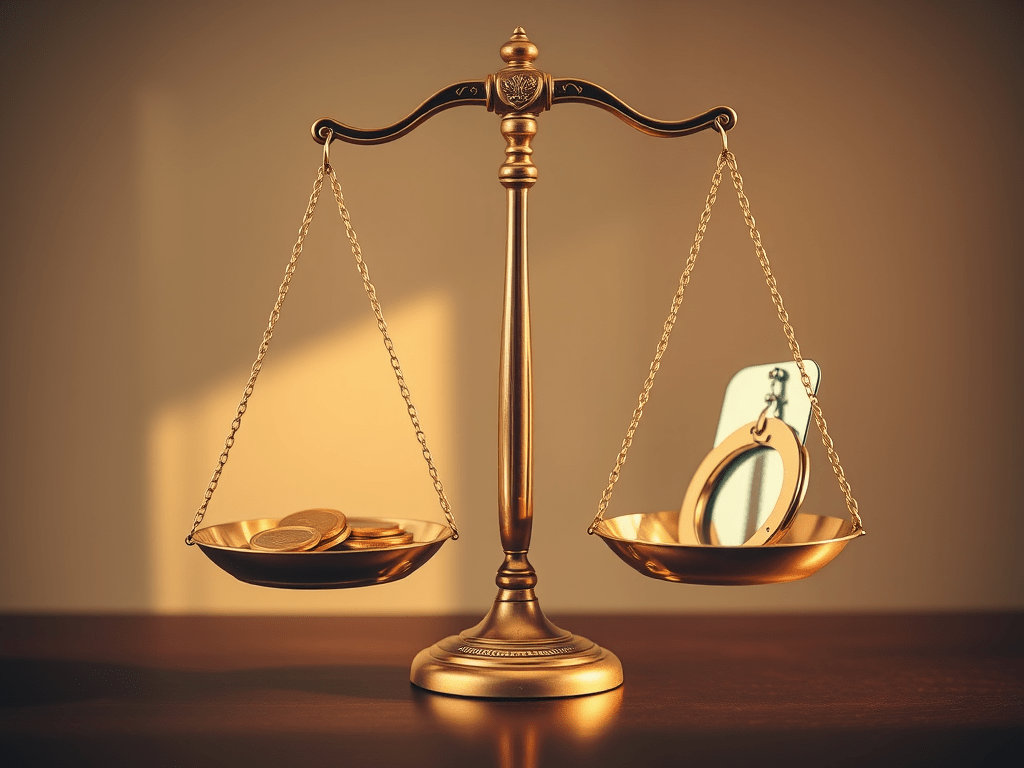
“When you’re used to privilege, equality feels like oppression.“
The Blind Spot of Privileged Womanhood
There’s a saying that cuts to the heart of modern conversations about power. But what’s often missed in that conversation is that privilege isn’t just about race or wealth – it’s also about gender, social capital, and who gets protected from accountability. The uncomfortable truth is that many people – across racial lines – benefit from certain forms of privilege while still being marginalized in others.
Take white womanhood, for example. Historically portrayed as vulnerable and pure, white women have long had social protections not granted to other groups. Even as they’ve fought legitimate battles for gender equity, they’ve also been shielded by racial privilege – often weaponizing that privilege in ways that harm others, especially Black men and women.
The Gender Power No One Wants to Talk About
But what’s less frequently discussed – and equally important – is the gendered privilege that shows up within Black communities, particularly among certain Black women. While Black women face undeniable systemic barriers, there’s also a growing pattern of behavior on public platforms where men – especially Black men – are routinely belittled, dismissed, or generalized as inherently broken, violent, or emotionally unavailable.
This trend often hides behind the rhetoric of empowerment and healing, but in practice, it can mirror the same entitlement that some white women express when they refuse accountability. What we’re witnessing isn’t just the pursuit of equality – it’s the weaponizing of victimhood as a shield against criticism and a justification for not engaging in introspection.
Raising Broken Boys While Blaming Men
One of the most damaging forms of this dynamic plays out in how boys are raised. The very same women who loudly condemn men as toxic often treat their sons as emotional crutches while denying them structure, boundaries, or accountability. A five-year-old is called “the man of the house” – a title loaded with pressure and expectation – yet he’s never taught what healthy manhood actually looks like. He’s spoiled when it’s convenient and blamed when he matures into exactly what he was molded to become. Then, in public discourse, these boys – now men – are lumped into a category of “broken“ males by the very people who raised them without the tools they needed. Somehow, all men are toxic, except their sons, their brothers, or their bigoted fathers – as if proximity absolves accountability.
Selective Accountability Is Still Entitlement
Equality cannot be one-directional. If the demand is for men to be emotional intelligent, vulnerable, and accountable, then there must also be a willingness from women – across racial lines – to examine how they contribute to emotional harm, perpetuate toxic expectations, or fail to extend the same grace they demand.
It shows up everywhere – in parenting, in dating, in social media callouts dressed up as advocacy. There’s often talk of “queens deserving kings,” yet many of the same voices resist acknowledging how they themselves treat men – with contempt, mockery, or conditional respect.
Real Equality Requires Real Self-Examination
And here’s where the central truth lands: Accountability feels like an attack when you’re used to being unchallenged. Whether it’s a white woman deflecting racial criticism with support of hatred sprinkled with false allegations or a Black woman brushing off her emotional violence as “truth–telling,“ the results is the same – resistance to introspection, and the perpetuation of double standards.
This doesn’t mean that men don’t need to change – they do. Systems built on patriarchy and white supremacy have left deep scars. But genuine equality doesn’t mean flipping the power imbalance in the other direction and repeating what one feels the other has done previously. How does that make one better, if not worse, for making a conscious decision to repeat known pain? It means everyone, regardless of gender or race, is being held to a standard that’s fair, honest, and rooted in mutual respect.
We cannot heal collectively if only some of us are expected to grow, while others get to hide behind historical pain to justify present harm. True equality includes the courage to self-examine – especially when it’s inconvenient.
If this resonates – or challenges you – share it, reflect on it, or start a conversation in your community. Growth starts with truth.
Keep scrolling down for more of the conversation

 In and Out of Darkness
Don’t forget to be part of the conversation and it’s free to add a like!