by Patrick Hardeman, In and Out of Darkness
“Truth doesn’t need permission. It just needs space.”
Why is it that whenever Black people speak honestly about the injustices we’ve faced, someone who doesn’t look like us feels the need to step in and “correct” our reality?
When we talk about what we’ve endured – about systems designed to keep us silent, sidelined, or suffering – there’s always a voice ready to minimize it. There’s always a hand raised to say, “That’s not true,” as if they’ve ever lived one moment in our skin.
And when tragedy strikes our community, the same script plays out: someone outside of it chimes in with a dismissive, “Why didn’t they just submit?” But here’s my question: why can’t the white community just submit to its role in the exploitation and pain inflicted upon Black people?
Why can’t they submit to the truth that we have a right to exist – freely, joyfully, and without their foot on the scales or their knees on our necks?
Why can’t they submit to their fear that, in many areas, we are better humans – that despite everything done to us, we have not sought to conquer their kind, silence their voices, or rewrite their history? We’ve only demanded the right to breathe, to live, and to lead in a world that continues to act like only one kind of human is worthy of power, aka leadership.
Why can’t they admit when they’ve failed? Why is it so difficult to see the connection between what they demand for themselves and what they deny to others?
The one thing that seems consistent is this: a refusal to demand accountability from themselves.
And let’s be clear – proximity does not equal purity. Adopting a Black or Brown child does not mean you’ve dismantled your anti-Blackness. Dating or marrying someone of color does not mean you’ve renounced white supremacy. Having a Black friend, co-worker, or lover doesn’t make you immune to perpetuating harm.
Not even having a Black child makes you exempt. Too often, these mothers create a prison of approval – loving their child, yet demanding gratitude for survival instead of validation for pain. They minimize the racism their own children face, gaslight their truths, and center their comfort over their child’s healing. Love alone cannot protect a Black child from a parent’s refusal to see the world through their eyes.
Because a true ally isn’t proven through proximity – it’s proven through action, accountability, and the courage to confront the system that privileges you, even as you raise the child it targets.
Let’s not ignore the way internalized self-hatred gets rewarded. Too often, the loudest Black voices on mainstream platforms are the ones who refuse to acknowledge Black pain. They’re given airtime and applause, not for telling the truth, but for echoing the same narratives that blame us for our own suffering. They highlight Black ignorance, criminality, and failure because that’s the comfort food of white supremacy. It’s easy to fund a voice that never challenges power and only polishes its lies. You find this bootlickers on networks like ESPN, TIKTOK, YouTube, one owns her own network, not to mention multiple “news” programs…
How about the hypocrisy of Black exploitation dressed up as support. Social media is full of creators who’ve turned Black pain into profitable content. They speak our struggle for clicks, for sponsorship deals, for a paycheck – but when you ask for their time, partnership, or real collaboration, they vanish.
They’ll take the money that comes with appearing “woke,” but not the responsibility that comes with genuine allyship. Because real solidarity costs something. It requires more than hashtags, performative outrage, or branded empathy.
If you livelihood depends on the next viral moment of Black suffering, then you’re not supporting justice – you’re profiting from the wound.
Recently, I wrote about injustices within the VA that silence minority voices. Many who’ve endured those experiences thanked me for saying what they couldn’t. Yet again, a “Karen” who’s never worn our skin decided to step in – not to listen, not to learn – but to say, “That’s not true.”
This is what happens when we tell the truth. Instead of leaning in, they reach for excuses. Instead of empathy, they offer denial.
They’re quick to defend the “sunscreen community,” but slow to defend the Black child riddled with bullets. Somehow, the coward officer is justified in his fear – but the Black body is not.
If you aren’t actively part of a peaceful solution, then you are part of the problem.
Because the double standards is clear:
- When white people are passionate, they’re called visionary. When Black people are passionate, we’re called angry.
- When white athletes show confidence, they’re the future of the game. When Black athletes do it, we’re “cocky.”
How is our excellence a threat? How is our success your failure – unless, deep down, you’ve bought into the idea that Black people are only meant to serve, never to lead?
We’ve been telling our truth for generations. The question is, when will those who’ve benefited from our pain finally submit to listening?
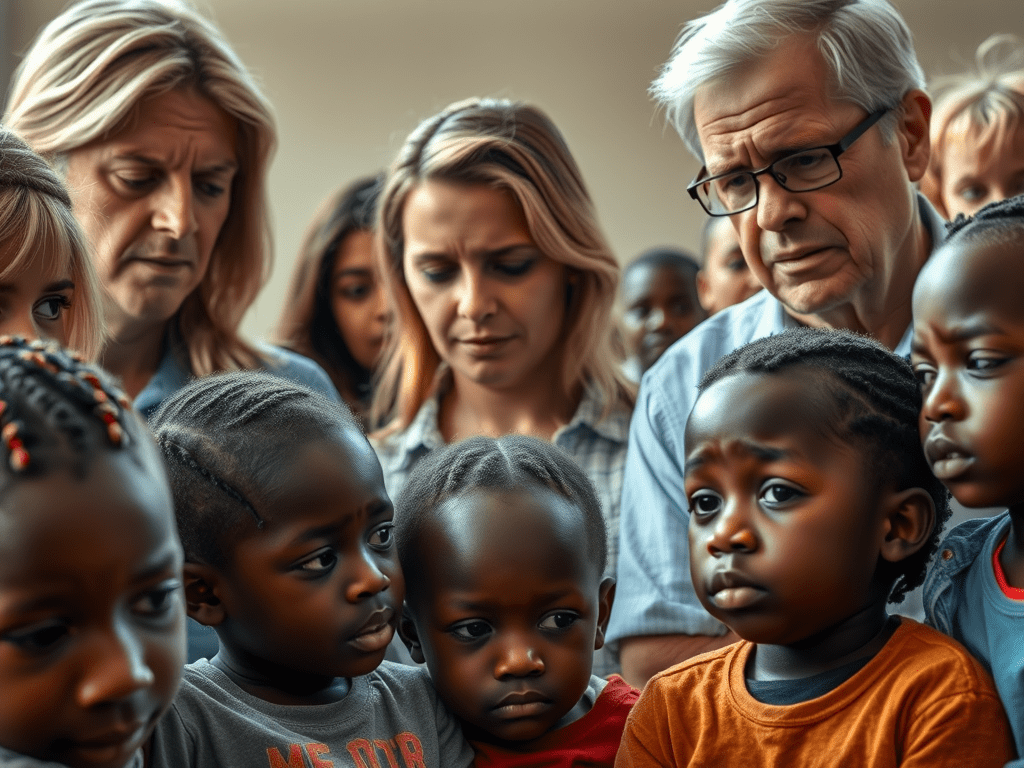
What needs to be studied is this deep, embedded hatred of anything non-white. Because I firmly believe even if 100% of Black life left the planet tomorrow, that group would still be miserable. So the real question is: why does Black pain seem to be the only thing that brings them peace?
It’s appreciated if you add a like, subscribe, and share this post with others. Then, join the conversation. There’s plenty more where this came from, so check out some previous conversations.
Keep scrolling down for more of the conversation

 In and Out of Darkness
Don’t forget to be part of the conversation and it’s free to add a like!