Every year, Americans celebrate Labor Day with barbecues, parades, mattress sales, and a long weekend to mark the unofficial end of summer. But the origin of this holiday isn’t rooted in festive floats or a desire to honor hard-working people out of the kindness of government hearts.
No – Labor Day was a concession, not a gift. And it came soaked in the blood, sweat, and resistance of laborers who dared to demand better.
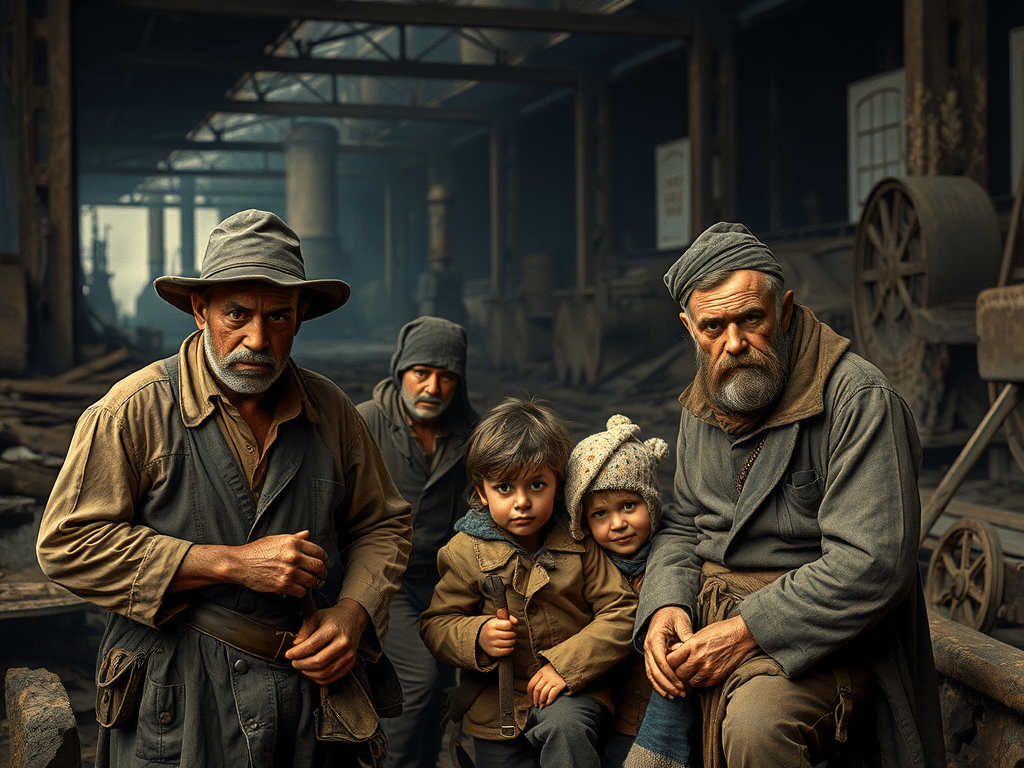
During the Industrial Revolution of the 1800s, the typical American worker faced brutal conditions: 12-hour shifts minimum, six days a week, for wages that barely covered rent and food. Children even worked in coal mines. Safety regulations were practically nonexistent. Injuries were common. One wrong move could mean losing a limb – or your life. (of course, if you were Black, that was considerably worse, not having any rights to civility)
Out of this environment grew labor unions and eventually mass strikes. These weren’t polite picket lines – they were full-on street battles with police and private security forces. Workers risked everything, and many lost their lives, just to be treated like human beings.
And let’s be real: those whose violence sparked swift political action were mostly white men – who didn’t remotely want to be treated like Black slaves. They knew the system only responded when people who looked like those in power started pushing back.
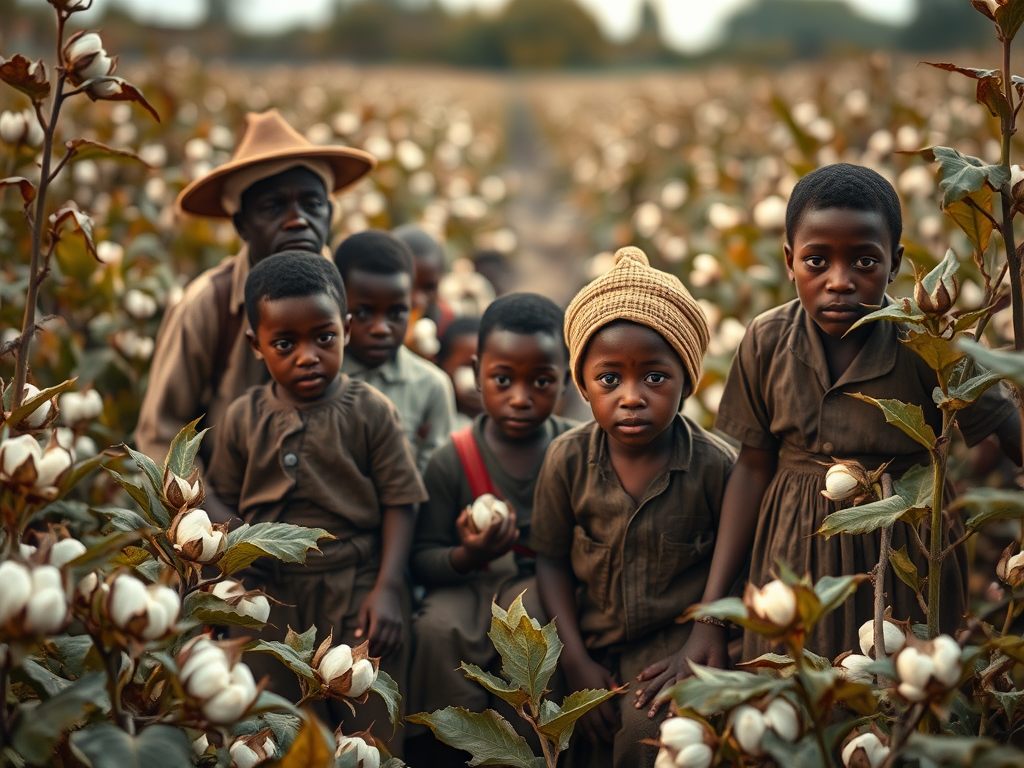
Meanwhile, Black Americans – both enslaved and free – had already been laboring, dying, and resisting for generations. They built the foundation of American wealth under chains, without pay, and without recognition. Yet they were excluded from most early labor movements and denied the basic rights being demanded by others. Labor history didn’t start with factories – it started in the fields under a whip.
Fast forward to 1894. The Pullman Strike, a nationwide railroad strike, had grown out of control. It disrupted commerce across the country and escalated into violence. President Grover Cleveland, under pressure from wealthy industrialists and shaken by the loss of life and capital, acted quickly – not to protect workers but to preserve profit and order.
Just six days after the strikes were crushed by federal troops, Cleveland signed Labor Day into law. Not as a gesture of gratitude but as a strategic distraction. A pressure valve. Something shiny to keep workers from organizing the next uprising.
Let’s be clear: this wasn’t about respecting those performing dangerous jobs. It was about preventing more Luigis – more strikes, more shutdowns, more bloodshed that disrupted wealth and power.
And sure, over time, unions gained more ground. But not all unions were (or are) created equal. One of today’s most powerful unions is the police union, which makes it nearly impossible to get justice when officers terrorize Black communities. These unions don’t fight for justice – they fight for immunity, often handing out passes to those who look like them while shielding the worst from accountability.
So here we are, over a century later, with a national holiday that gives the illusion of progress. You get a three-day weekend, a few parades, and a blowout sale on vehicles. Meanwhile, wages are stagnant, the cost of living is suffocating, and people are working multiple jobs just to survive.
And that “day off”? It’s usually a tax write-off for the same companies profiting off your underpaid labor.
The truth is, the original labor movement fought – and bled – for shorter hours, safer working conditions, and fair pay. What we got was a watered-down holiday, packaged with marketing campaigns and distractions.
Because make no mistake: real change in this country has always come when the wealthy fear losing money or life. Not because of a hashtag. Not because of a speech. Because something or someone made them uncomfortable enough to act.
So why am I writing this? Because awareness is power. And the more we forget how Labor Day came to be, the easier it is to accept the status quo. But when I speak this truth, I know it makes some people uncomfortable – especially those who benefit from the silence.
To those people, I say: if the mirror offends you, maybe it’s time to ask why; then change the reflection.
This isn’t about guilt. It’s about solidarity. It’s about all of us getting free.
Happy Labor Day – just remember who paid for it.

Do you believe your local politician, CEO, or upper management works harder than the employees who perform the daily labor; all while taking the majority slice of the pie? Do you believe the system is based on who works the hardest, or who knows who?
It’s appreciated if you add a like, subscribe, and share this post with others. Then, join the conversation. There’s plenty more where this came from, so check out some previous conversations.
Keep scrolling down for more of the conversation


Don’t forget to be part of the conversation and it’s free to add a like!