By Patrick Hardeman – In and Out of Darkness
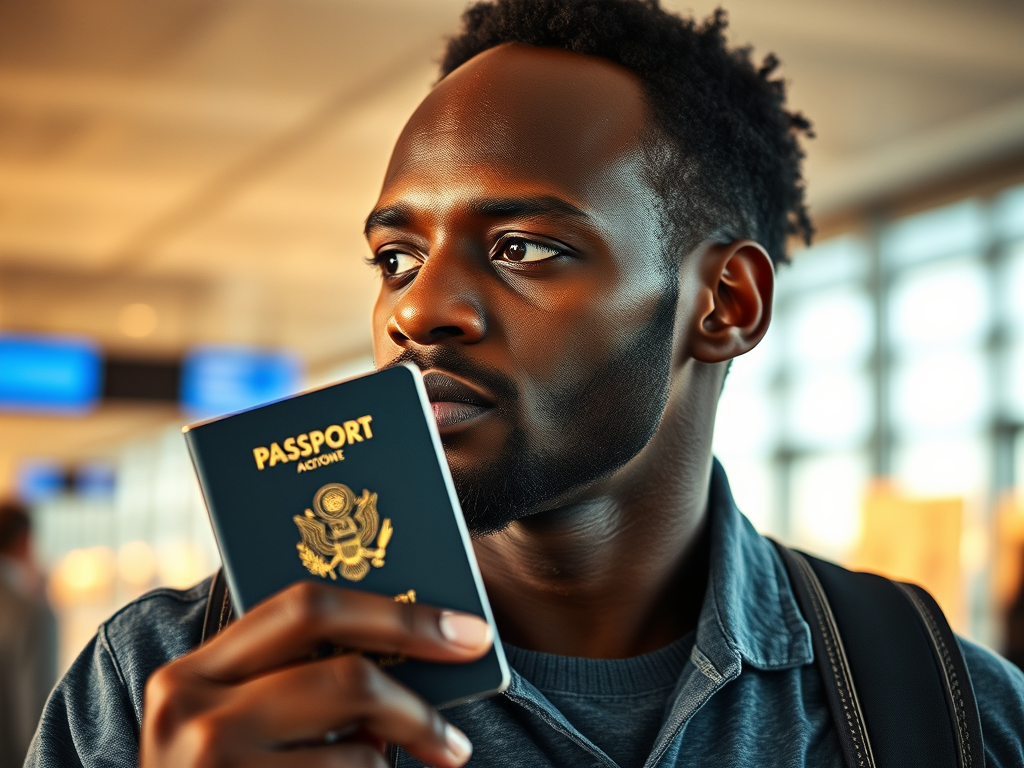
I only become “American” the moment I leave America.
This isn’t a grievance, it’s an observation about how power, guilt, and blame tend to travel together.
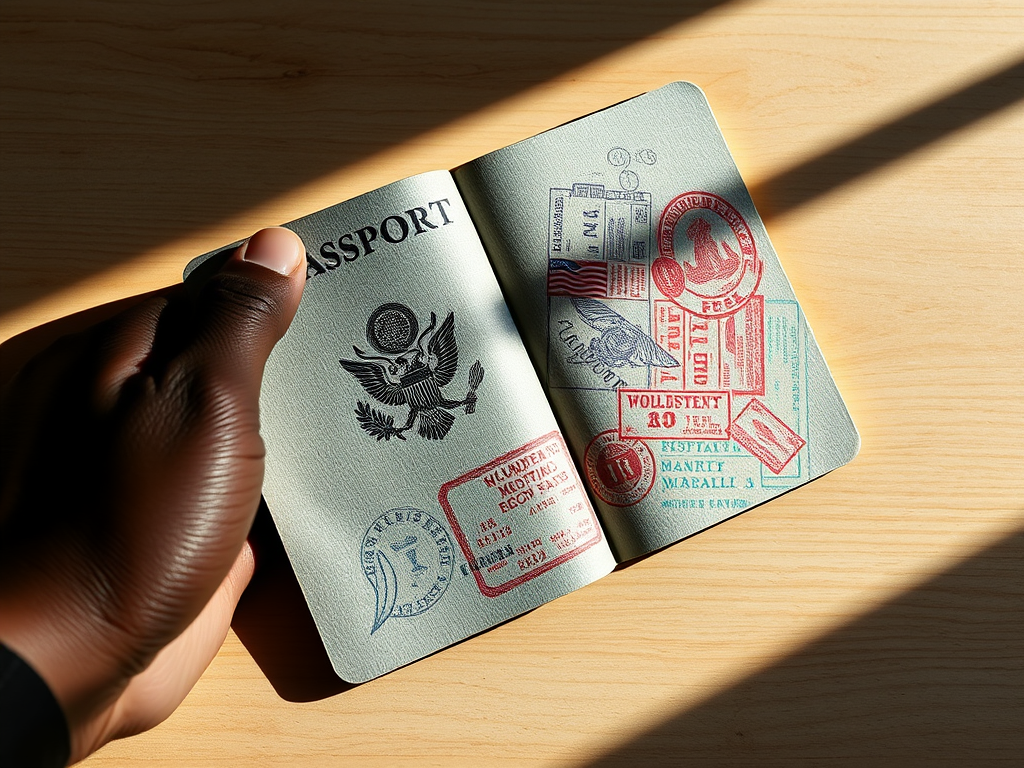
Inside the country, my Blackness shows up first, like a headline people pretend they don’t read while quoting every line. Outside the country, my passport becomes the headline. Suddenly I’m “American,” which, depending on the room, can translate to wealthy, entitled, loud, greedy, or oblivious.
It’s a strange trick of perception: in the one place where “American” is supposed to mean equal rights and belonging, I’m reminded I’m not treated equally. And in the places I go looking for peace, I’m handed a bill for an empire I never got dividends from.
It would almost be funny if it wasn’t so predictable.
Actually, it is funny in a grim way. Like the universe keeps charging me for Premium Privilege, even though I’ve been on the free plan that never ends and includes ads, surveillance, and “random” extra “private” security in some department stores.
I’m a Black man born in America. That sentence shouldn’t require footnotes, but it does. Because “born in America” still doesn’t guarantee safety, ease, credibility, or innocence the way it does for others. And I think that’s why this subject offends so many people: not because it’s untrue, but because it points directly at what they’d rather not admit.
Some people can’t swallow the truth that they’ve benefited from systems they didn’t build but happily use. The truth sits in their throat, so they label it “divisive.” They call it “playing the race card.” They call it “making everything about race.” Anything except what it is: discomfort from realizing you’ve been living on the winning side of a rigged game.
That moment is when responsibility starts.
I’ve traveled the globe. I’ve seen beauty, generosity, and communities that survive with less than many Americans waste. I’ve also seen how the world gets educated on “America”: through the loudest voices, the most exported stereotypes, and the narratives most profitable to repeat. Meanwhile, the vast majority of people with the smoothest global access, passport power, money power, media power – are not Black. Yet when the world gets angry at “America,” the anger often lands on whoever is closest and safest to blame.
So when someone overseas looks at me and sees “wealthy greedy American,” It’s a moment that reveals how easily anger travels in the wrong direction.
Because which part? The wealthy part? The greedy part? The part where I’m supposed to represent the aggressors of humanity?
I’m not here to deny America’s damage. People have every right to be angry about what this country has done around the world. What I’m saying is: aim your anger accurately. Don’t throw rage sideways just because looking up feels dangerous.
Here’s what burns: I can understand receiving the deserved “receipt” of America’s impact if I benefited from America the way people assume I do. If my life came with the full package: protection, presumption of innocence, opportunity, and the freedom to move unbothered.
But my people, Black Americans, have been exploited inside these borders and then blamed outside them. We’ve been treated like labor, like property, like a problem to be managed, like bodies to be policed. We’ve been marketed as “progress” while still being denied the benefits of it.
And then we travel, hoping for a fresh start, and end up giving the same speech in different countries:
No, I’m not that American.
No, I don’t represent what you’re imagining.
No, I didn’t get the profits from what you’re angry about.
It’s like being handed a group project grade for work you didn’t do, by teammates who wouldn’t even let you touch the assignment.
This leads me to something bigger than race, bigger than borders, something I’ve watched on repeat everywhere:
Billions of humans are scared of a few monsters.
Scared of governments.
Scared of corporations.
Scared of wealthy elites and propaganda machines. Scared of losing jobs, safety, status, comfort, and scared of being punished for speaking plainly.
So instead of confronting the brutes of humanity, people negotiate with them. They normalize them. Then they vent sideways, toward whoever looks like an easy target, whoever feels safe to blame without consequences.
That’s not justice. That’s stress relief.
And this is where the conversation often goes wrong: guilty consciences start demanding silence instead of accountability. If your guilt makes you defensive, that’s yours. if your guilt makes you angry at the truth instead of angry at injustice, that’s a choice.
If you didn’t know in the beginning, fine. But if you know now, if you see now, then the question isn’t whether you feel bad.
The question is: what are you willing to change?
Stop confusing proximity with responsibility. Stop aiming at the easiest target because it’s convenient. Stop asking exploited people to perform politeness while you digest reality.
The right side of humanity is not hard to find. It’s the side that refuses to profit from other people’s pain, and refuses to protect the people who do.
So if you’ve realized you’re standing on the wrong side, don’t ask to be comforted first. Don’t ask to be praised for noticing.
Turn the tides.
Because the monsters are few.
The rest of us are many.
History suggests the cost of pretending otherwise is always paid later.
It’s appreciated if you add a like, subscribe, and share this post with others. Then join the conversation, don’t be afraid. There’s plenty more where this came from, so check out some previous conversations.
Keep scrolling down for more of the conversation


Don’t forget to be part of the conversation and it’s free to add a like!