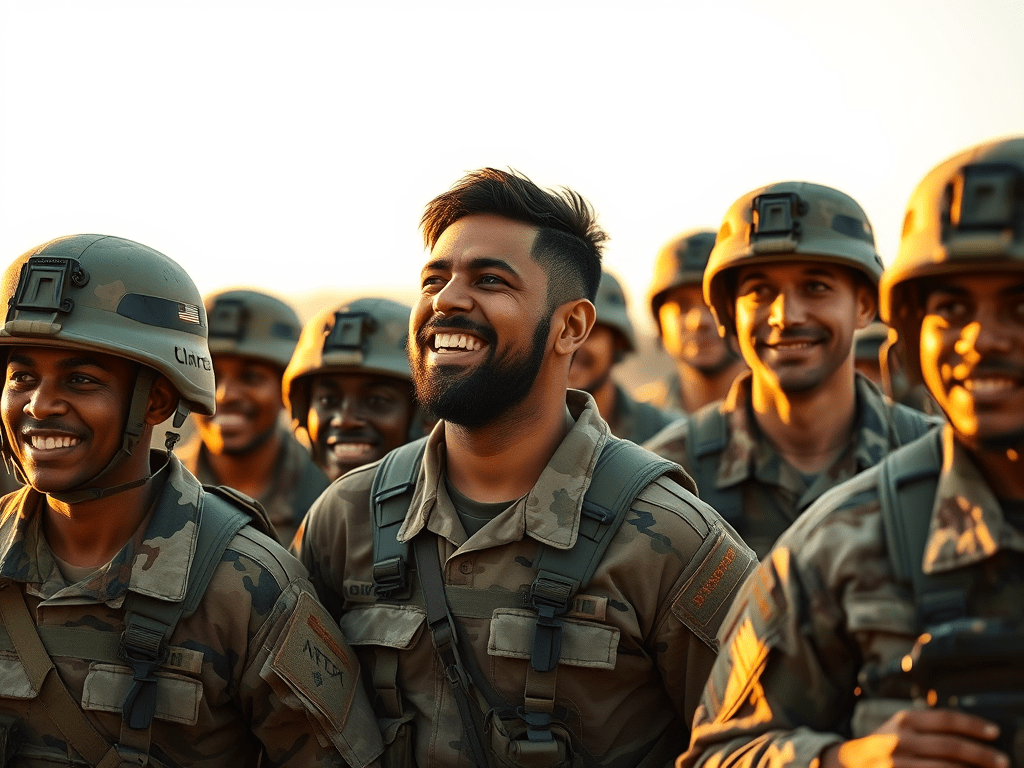
We raise our right hand. We take an oath to defend this nation and protect its citizens while putting ourselves in harm’s way, so you don’t have to. It’s a job we carry with pride, even when it costs us parts of ourselves – physically, emotionally, and mentally. That’s what being a soldier is – sacrifice, service, and silence. But after years of doing the protecting, I’ve got one question for you:
Who’s protecting us?
It’s easy for most civilians to assume the military budget takes care of us. They see the military budget figures – billions of dollars – and think, “Well, at least the troops are covered.” Let me be clear: most of that money never sees a foxhole, never makes it to a barracks, and sure as hell doesn’t help the soldier still bleeding on the inside after he or she is done being used.
Instead, that money gets funneled into shiny contracts handed out to government allies, private companies, and civilian professionals – most of whom have never stepped foot in a combat zone or worn a uniform. Many are psychologists, hospital staff, or administrators, earning far more than any frontline soldier. Some of them genuinely care, (shout out to San Francisco’s Veteran’s Hospital staff) and I’ll give credit where it’s due: every now and then, we cross paths with civilian staff who truly show us empathy. They see our pain, they listen, they humanize the uniform.
But far too often, we encounter others who treat us worse than any drill sergeant you’ve seen on a movie screen. Cold. Condescending. Detached. They strut around, emboldened by a system that protects them, pretending they can “handle” us, like we’re broken equipment. They talk down to us, dismiss our experiences, and act as if we’re burdens they have to tolerate – not warriors they’re supposed to support.
To add insult to injury, racism is alive and well in the institutions governing us. People who hold biases are the same ones evaluating our mental health or handling our injury reports – without the faintest clue of what it means to survive an IED blast or to go weeks without sleep in hostile territory. How can someone who’s never feared for their life tell me I don’t have PTSD?
I once had a psychologist tell me, “Why are you worrying about anyone beyond yourself?” Excuse me! That’s literally the job – watch your brothers’ and sisters’ backs. This person looked like me, and had a Phd! That one line showed just how little they understood. This job is about selflessness. It’s about carrying the wounded, sharing the load, and dying – if necessary – for the person beside you. “Leave no man behind” isn’t just a slogan It’s a way of life. And when you’ve seen death up close, your priorities change – forever.
Meanwhile, we’re expected to keep quiet. Publicly criticizing the system means risking retaliation or reprimand. Civilians enjoy the full protections of free speech. Soldiers? We often need permission just to speak the truth. We suffer in silence, and when we do speak up, too often our words fall on deaf ears.
And let’s not ignore the elephant in the room: leadership. Why does the government keep appointing people to oversee our care – soldiers and veterans alike – who get caught scamming the very system they’re entrusted with? How many times have we watched news reports of missing millions, falsified records, or inflated bonuses tied to the number of veterans lost to suicide? Think about that: some of these people are rewarded – financially – when more of us choose to end our lives in silence.
Pete Hegseth: Secretary of Defense or Secretary of Deflection?
America has a patriotism problem – not the lack of it, but the false display of it. The kind that’s cloaked in flags, flaunted at political rallies, and used as a smokescreen for betrayal. It’s easy to scream “Support the Troops!” when it costs nothing. It’s harder to actually do the work of protecting and honoring the people who risked everything in uniform.
And that brings us to Pete Hegseth – the man sitting at the top of the Department of Defense, cashing checks, posing for photo ops, and presiding over one of the most disgraceful betrayals of American service members in modern memory.
Let’s call it what it is: treason with a flag on it.
Hundreds of millions of dollars – your tax dollars – have been funneled into black holes of corruption and personal gain, while veterans fight for the scraps of their earned benefits. Many who served with honor, integrity, and blood now live with trauma, broken bodies, and broken promises. Meanwhile, the bonuses still roll in for the suits in high towers who wouldn’t last a week in combat boots.
America loves its heroes when they’re paraded out for TV ratings or political applause. But when the parades are over and the uniforms come off, the silence is deafening. Veterans are left fighting not foreign enemies, but the very system they once swore to protect – a system that throws them away, gaslights them, and pretends it’s all being “handled” by leaders like Hegseth.
But let’s be honest: he’s not leading. He’s performing. Maybe he thinks he’s starring in some patriotic fantasy – the real-life Pete’s Dragon, breathing imaginary fire while our veterans burn in reality.
We don’t need fantasy. We don’t need more speeches. We need accountability. We need results. We need our brothers and sisters in arms to stop being sacrificed at the altar of politics and personal gain.
You don’t get to cash the checks if you won’t carry the burden.
So thanks, Pete. Thanks for the bonuses. Thanks for the press appearances. But don’t you dare thank us for our service – not until you start serving the people who actually earned it.
It’s criminal. It’s disgusting. And yet, it keeps happening.
And while these people keep their titles, their bonuses, their reputations, we keep fighting – not wars overseas anymore, but battles within ourselves. Depression. Anxiety. PTSD. Isolation. And far too often, that final, fatal decision made in a moment of hopelessness.
So here we are. The protectors, left unprotected. The warriors, told to “man up” when we show emotion. The defenders, silenced when we question the system meant to have our backs.
Let me ask you this: Would you bring your child to a pediatrician who hates kids? Would you take your dog to a vet who hates animals? Let a man tell you how to deal with your menstrual cycle? Trust a vegetarian to recommend the best steakhouse?
No?
Then why are people who’ve never served one damn day making life-altering decisions for those of us who’ve risked it all?
We do our jobs, often thanklessly. When we’re done, we leave quietly; hopefully returning home if it’s still available. Still carrying the weight of everything we’ve seen and done. No parades. No justice. No voice. Often in pain and silenced.
So, to every citizen reading this: Don’t just wave a flag that hasn’t represented all of us, or offer a half-hearted “thank you for your service.” lnstead, ask yourself:
What are you doing to protect the people who protected you?
Because when the dust settles, and the war stories fade, many of us are still fighting. And we’re fighting alone. So, if we’re not worth protecting, then who is?
This is Bigger Than One Man Hegseth is not the root of the problem. He’s the fruit of a rotten tree.
The system is riddled with leaders who’ve never had to fight for anything but their own careers. The military-industrial complex enriches contractors and politicians while veterans live with second-rate healthcare, homelessness, and red tape that chokes the life out of their post-service futures.
There’s money – so much money – for defense budgets, weapons programs, and foreign interventions. But when it’s time to care for the people behind the trigger? Suddenly, there’s “not enough funding.”
They used our bodies for their wars. Now they use our stories for their campaigns. But when we need help/ We’re left on hold. Forgotten. Abandoned.
It’s appreciated if you add a like, subscribe, and share this post with others. Then, join the conversation. There’s plenty more where this came from, so check out some previous conversations.
Keep scrolling down for more of the conversation


Don’t forget to be part of the conversation and it’s free to add a like!